

Does Therapy Help With Anxiety
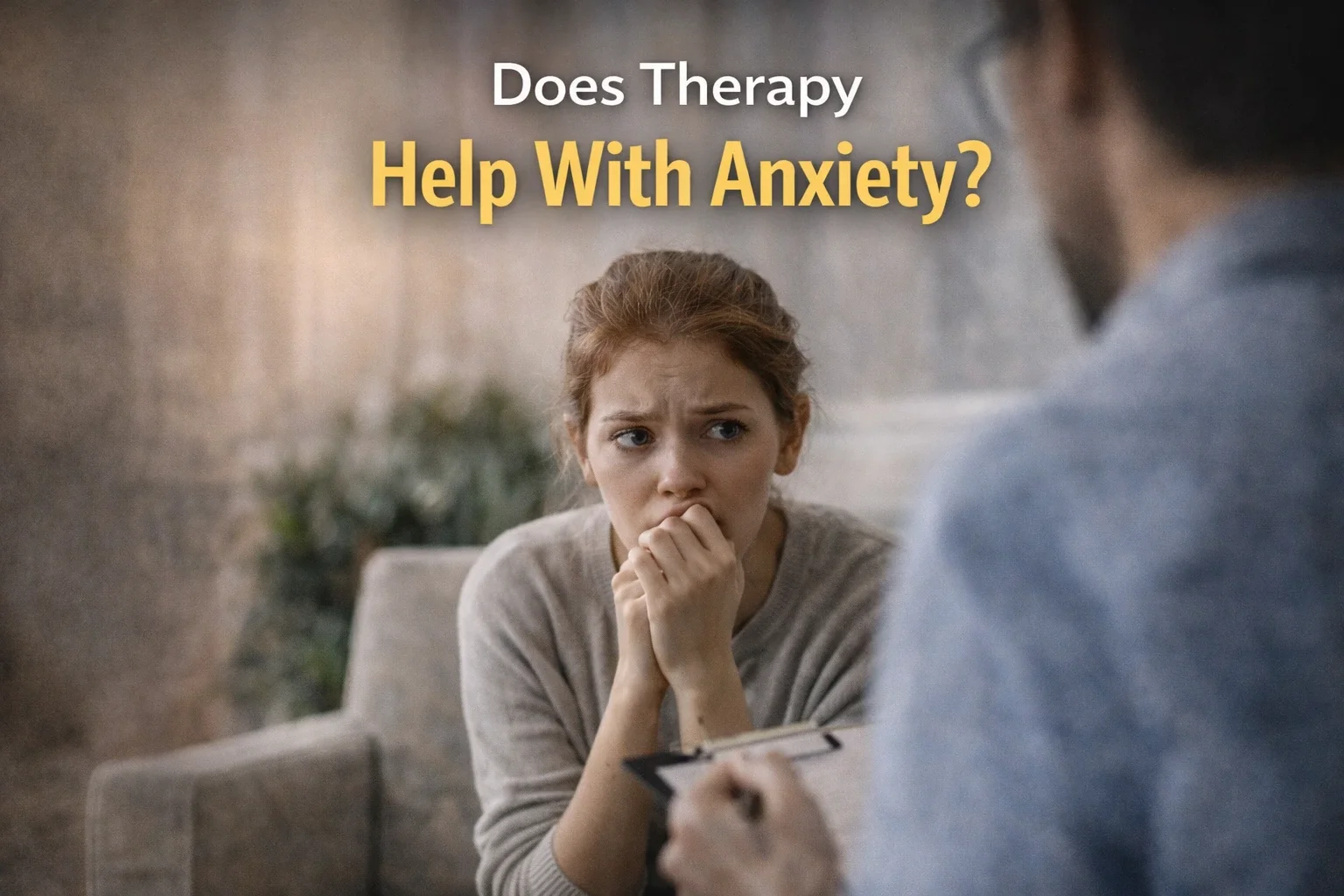
Sometimes anxiety isn’t loud. It doesn’t always look like panic or spiraling thoughts that crash into each other. Sometimes it’s just a feeling that sits with you, a tight jaw, a shallow breath you don’t notice until someone points it out, or a sense that you’re always a little braced for something, even when nothing is happening. A lot of people live this way for years without calling it anxiety. They just think they’re wired differently, more sensitive, more responsible, or worse at relaxing. And somewhere along the way, the question starts to form quietly: would therapy actually help with this, or is this just how life feels?
Anxiety Isn’t Always Obvious
When people talk about anxiety, they often picture the extreme moments like panic attacks, racing hearts, or feeling like you’re losing control. But for many people, anxiety is woven into ordinary life. It shows up when you replay conversations repeatedly, after they’re over. When your body stays tense even on days that are supposed to be calm. When decisions feel heavier than they should. These experiences are common anxiety symptoms, even if they don’t match what you’ve seen in movies or read online. That’s part of why anxiety can be so confusing. It doesn’t always feel like a problem you can point to. It feels more like a constant background pressure, quietly shaping how you move through the world.
Why Therapy Feels Like A Big Step
The idea of therapy can bring up mixed emotions. Curiosity, sure, but also doubt. You might wonder whether talking really does anything. Or worry that you’ll say the wrong things, or that your anxiety isn’t “bad enough” to deserve help. A lot of people ask themselves, “Does therapy actually help with anxiety?”, especially if they’ve spent years coping on their own. By the time someone considers therapy, they’ve often already tried self-help advice, distraction, pushing through, or telling themselves to calm down. Therapy can feel like admitting defeat, even though it isn’t. It’s more like acknowledging that white-knuckling your way through life is exhausting. At Chanderbhan Psychological Services in Laredo, TX, we often meet people right at this crossroads, unsure if therapy will help but exhausted from carrying anxiety alone. We believe reaching out isn’t a weakness; it’s a meaningful step toward relief and self-understanding.
What Therapy Actually Feels Like
Therapy isn’t a constant stream of insights or emotional breakthroughs. Most of the time, it’s quieter than that. It’s noticing patterns you’ve lived inside for so long that they feel normal. It’s saying things out loud and realizing how heavy they sound when they’re no longer stuck in your head. When people ask, “How does therapy help with anxiety?”, the honest answer is that it helps in layers, slowly, not by erasing anxious thoughts, but by changing how much power they have over you. Through anxiety therapy, many people learn how their anxiety operates. What triggers it. How their body reacts. Which thoughts keep the cycle spinning. That awareness alone can create a small sense of space, and sometimes that space is enough to breathe.
Therapy Doesn’t Try To “Fix” You
One thing therapy doesn’t do is turning people into someone else. Anxiety often developed for a reason. Maybe it kept you safe once. Maybe it helped you anticipate problems or stay alert in difficult environments. Therapy for anxiety isn’t about ripping that part of you out. It’s about understanding it, softening its grip, and learning when it’s useful and when it isn’t. That process can feel uneven. Some sessions feel grounding. Others stir things up. Both can be part of progress. You don’t walk out of therapy suddenly calm forever. What changes is your relationship with anxiety. It becomes something you experience, not something that defines you.
Medication Can Be Part Of The Picture
For some people, anxiety medication is helpful. For others, it isn’t necessary. Medication can lower the intensity of symptoms enough to make daily life feel manageable, especially when anxiety feels constant or overwhelming. Sometimes medication is also needed to turn the volume down on anxiety enough for you to learn skills in therapy. Medication doesn’t replace emotional work. Many people combine both as part of a broader anxiety treatment plan, others don’t. There’s no single correct approach, and what works can change over time.
When Anxiety Feels Scary And Sudden
Anxiety attacks can feel especially frightening. The physical sensations arrive fast, and your mind often fills in worst-case explanations. Even when you know it’s anxiety, your body doesn’t always believe you. Effective anxiety attack treatment often involves understanding what’s happening physiologically, and practicing ways to ground yourself when fear spikes. Therapy can make those moments feel less mysterious, which often reduces how terrifying they feel.
Progress Looks Messier Than You Expect
One of the most human parts of healing anxiety is realizing that progress doesn’t follow a neat path. You might feel better for a while, then feel anxious again and wonder if anything has changed. It usually has. The difference is subtle. Maybe anxiety doesn’t last as long. Maybe you recover faster. Maybe you don’t avoid it as much. These shifts are easy to miss, but over time they add up. Therapy doesn’t remove anxiety from your life. It helps make room for more than just anxiety.
Compassionate Therapy Rooted in Clinical Care
We are Chanderbhan Psychological Services, a small group practice offering therapy, counseling, and psychological evaluations grounded in clinical expertise and ethical care. Serving Laredo, TX, and individuals across South Texas, we provide individualized support through in-person and online therapy. We stay informed on effective, research-based treatments and create a safe, confidential space where you can address concerns, strengthen relationships, and work toward meaningful change, at your own pace, with guidance that feels human and respectful.
Knowing When To Reach Out
There’s no perfect moment to start therapy. Some people go when anxiety begins to interfere with work or relationships. Others go because they’re tired of carrying everything alone. If anxiety feels like it’s quietly shrinking your world, therapy may help widen it again. Not dramatically. Just enough to feel a little more steady. As a trusted therapy practice serving Laredo and South Texas, we walk alongside individuals who feel anxiety quietly narrowing their lives. We offer compassionate, evidence-based care, both online and in-person, to help you feel steadier and more supported.
-
Anxiety can feel like constant worry, tension in the body, racing thoughts, or unease that lingers without a clear reason. It can be loud or very quiet. In men, anxiety often shows up as fatigue, irritability, or difficulty sleeping.
-
Dealing with anxiety often involves awareness, support, coping skills, and patience. Therapy, implementing lifestyle changes, and learning how anxiety works can make it feel more manageable.
-
Physiological techniques like deep breathing, grounding techniques (e.g., paying attention to sensory input in your immediate environment), and reminding yourself you’re safe can help in the moment. Immediate relief is usually temporary, but still meaningful.
-
Anxiety is a normal human response, but it can become a mental health condition when it’s persistent, overwhelming, or interferes with daily functioning.
-
What helps varies. Therapy, medication for some, lifestyle changes, and emotional support all play roles depending on the person and their situation.
-
Managing anxiety means learning patterns, regulating your body’s stress response, and building habits that reduce overwhelm over time.